İzmir is a city with a deep historical and cultural background. Since its foundation, it has been a city open to different civilizations. It has hosted a rich cultural heritage from the earliest periods of human history. With its valuable historical, cultural, and natural sites, İzmir is one of the must-visit cities in Türkiye.
İzmir is home to two important ancient cities recognized by UNESCO: Pergamon and Ephesus. The Historic Port City of İzmir and the Historic Town of Birgi are on the UNESCO World Heritage Tentative List, and efforts continue for the Gediz Delta to be included as well. The castles of Foça, Çandarlı, and Çeşme are also part of the Tentative List under the title “Genoese Trade Route.”
İzmir reflects its unique culture through its art and architecture and offers visitors unforgettable experiences with its coastline, ancient cities, and peaceful towns and villages.
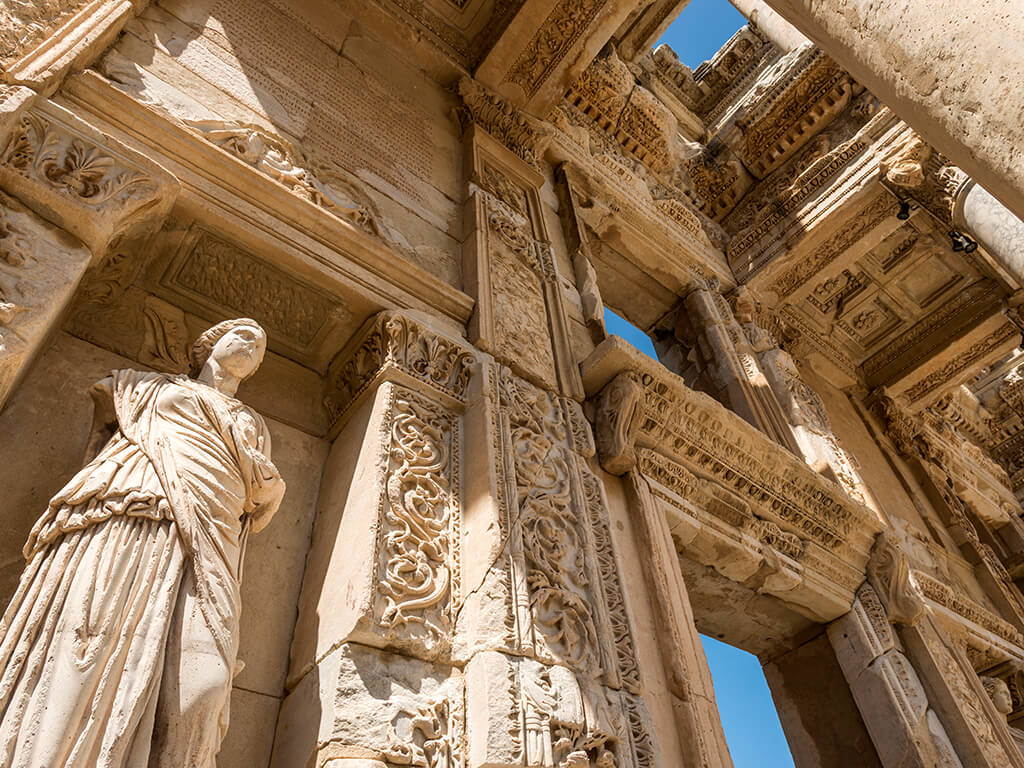
Ephesus UNESCO World Heritage
Ephesus, one of Türkiye’s largest open-air museums, is a UNESCO World Heritage Site visited by nearly two million people each year. Its highlights include the Great Theatre, the Temple of Artemis, and the Library of Celsus.
Located in İzmir’s Selçuk district, Ephesus is one of the twelve cities of Ionia, with a history dating back to the Neolithic Period. Founded by Lysimachus in 300 BC, it reached its peak during the Hellenistic and Roman periods as the capital of the province of Asia and a major port city.
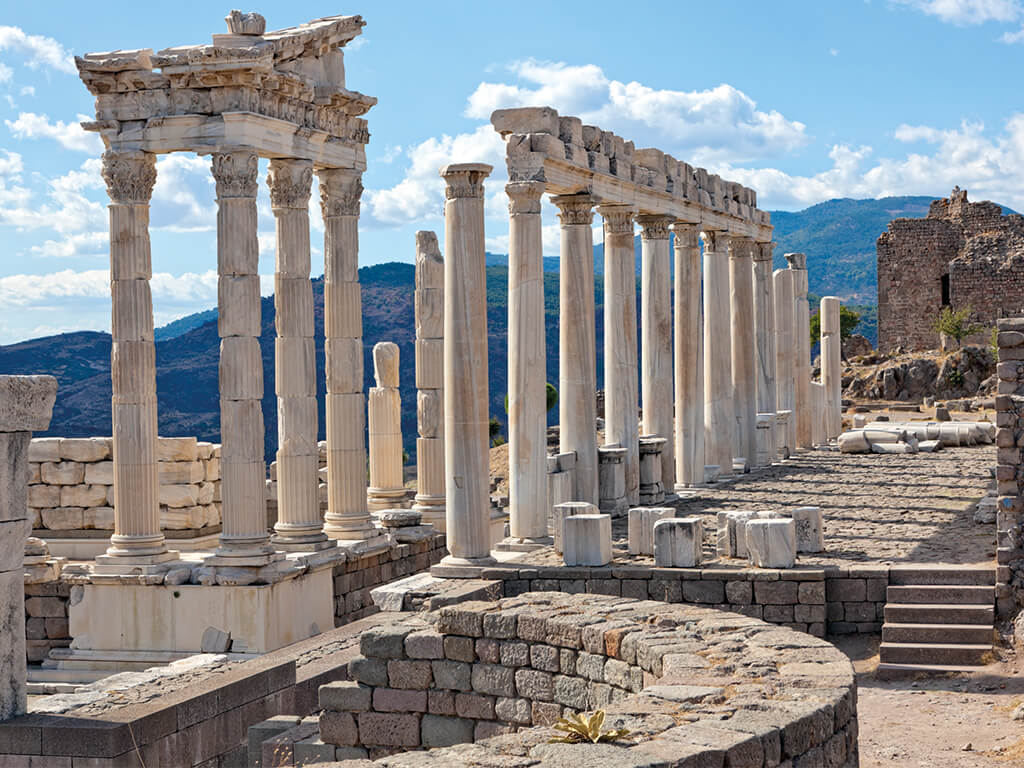
Pergamon Multi-Layered Cultural Landscape Area
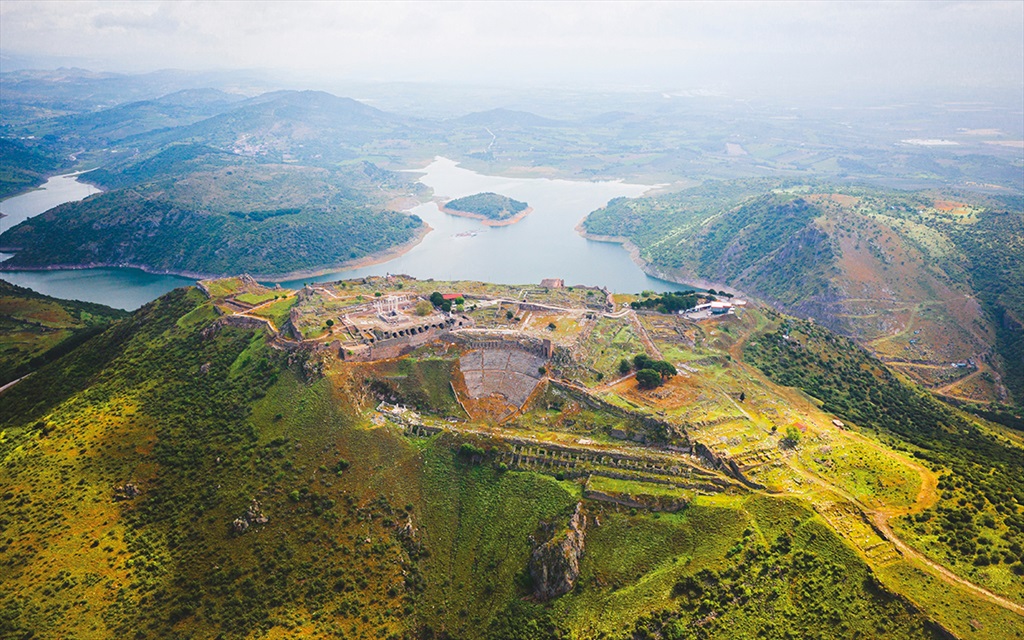
The Bergama Acropolis, a UNESCO World Heritage Site, stands out as the former capital of the Pergamon Kingdom with its famous library, one of the steepest ancient theaters in Anatolia, and the Asklepion. Bergama, built on the Ancient City of Pergamon, is Türkiye’s 13th UNESCO World Heritage Site.
Overlooking the Bergama Plain, the Acropolis features the temples of Athena and Trajan, the Altar of Zeus, the theater, and the Pergamon Library. The Asklepion of Bergama, where the snake symbol of medicine originated, was an important healing center from the 4th century BC and is associated with the renowned physician Galen.
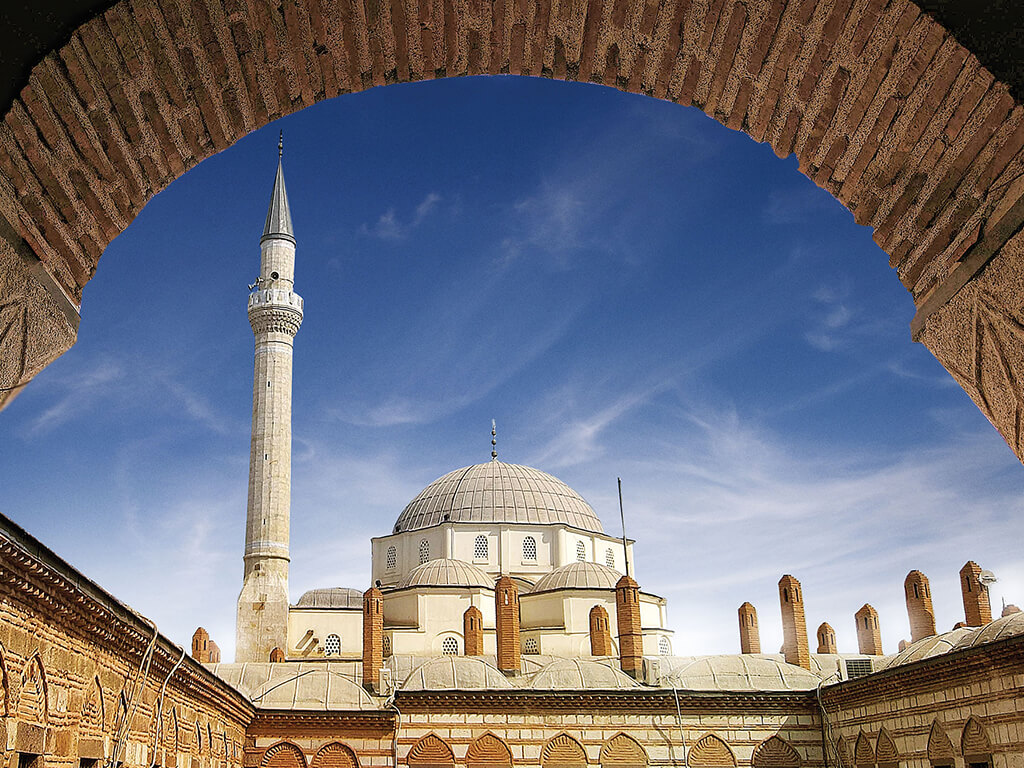
Historical Port City
Throughout its history, İzmir has been one of the most important port cities in the Mediterranean. It has been a meeting point for goods, ideas, and cultures, where they spread to the world with new meanings. İzmir was a key hub connecting the Silk Road to Mediterranean sea trade routes.
As a port city on the UNESCO World Heritage Tentative List, İzmir stands out for its multicultural character and the historic Kemeraltı Bazaar. The Kemeraltı–Kadifekale axis, highlighted by the Smyrna Agora and Smyrna Theatre excavations, has remained the city center of İzmir from past to present.
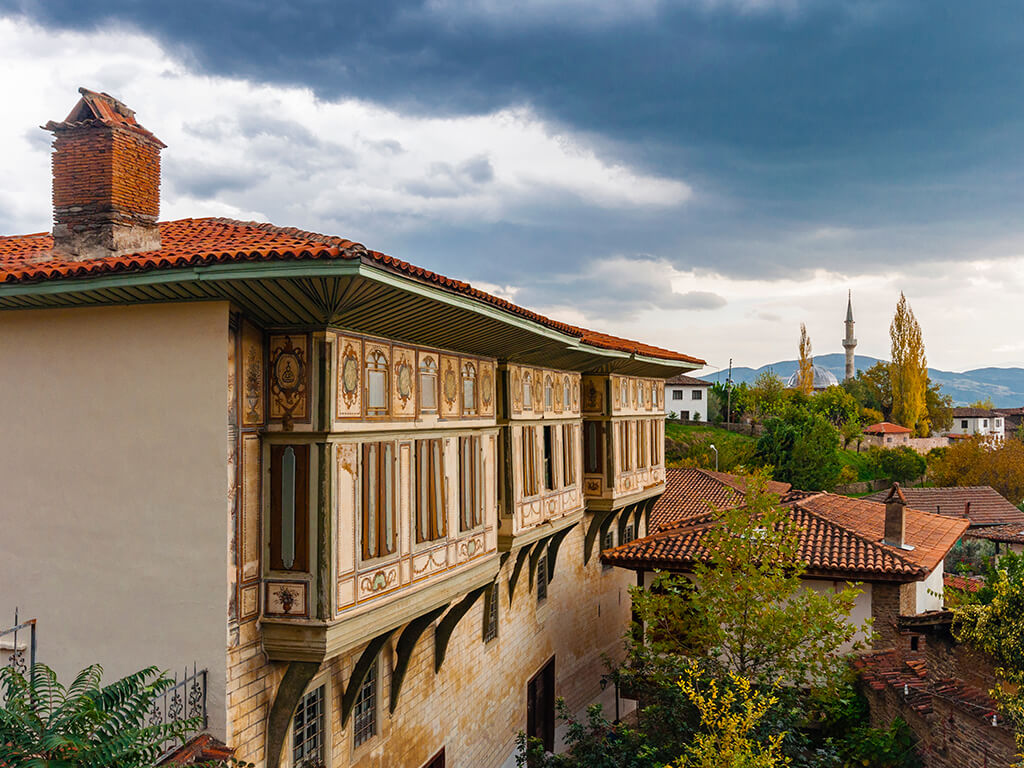
Birgi
The Birgi Historical City has hosted numerous civilisations since antiquity. Birgi, one of the few cities in Western Anatolia managing to preserve its historical atmosphere, is viewed as a museum town and harbour s a number of architectural works dating back to the Beylik era, such as houses and mansions equipped with bay windows, mosques, tombs, bathhouses, religious schools, fountains, dervish lodges and many others. The Birgi Historical City was added to the UNESCO World Heritage Tentative List in 2012. The Aydınoğlu Mehmet Bey Mosque and Çakırağa Mansion are important buildings in the region.
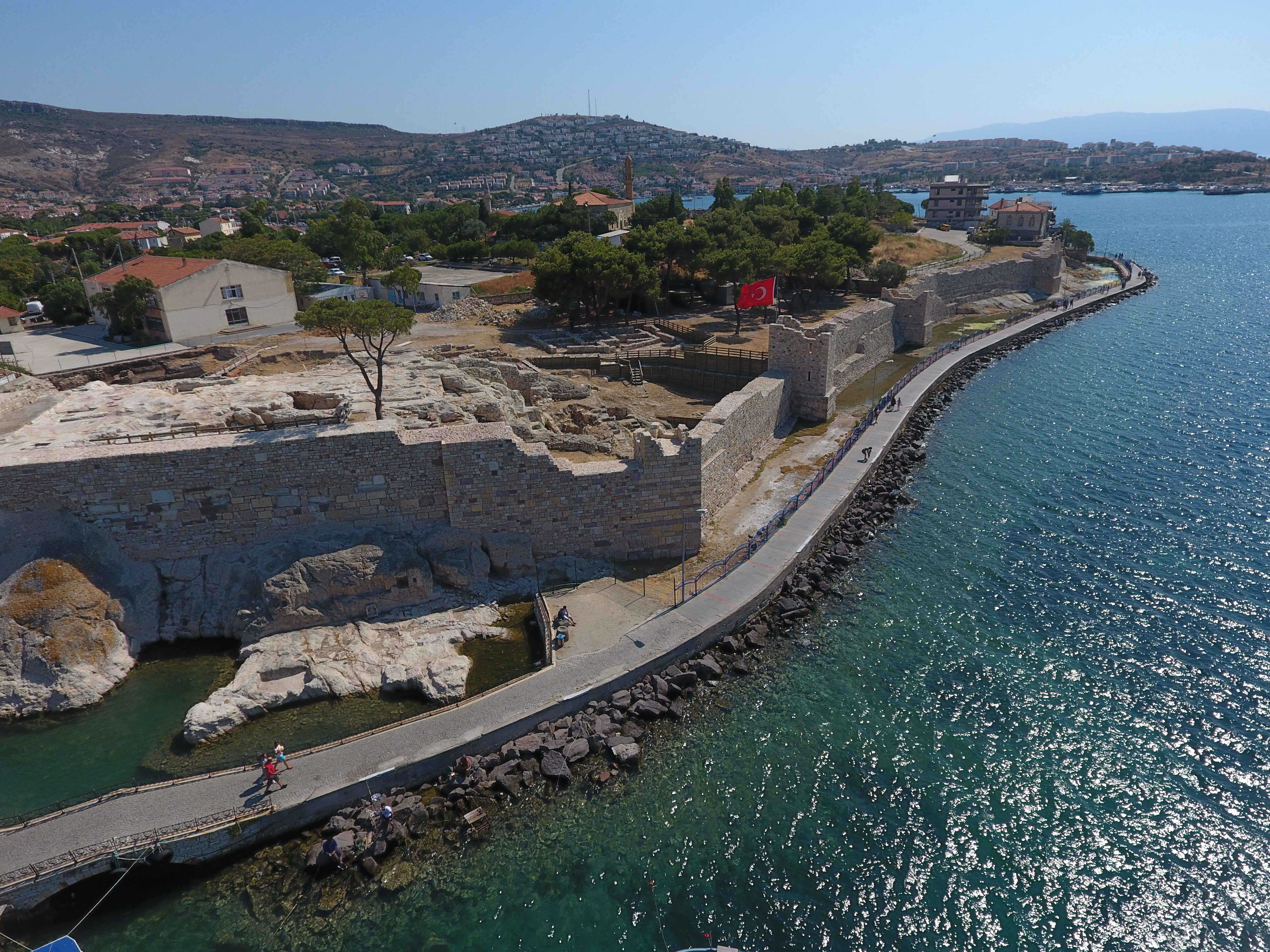
The Castles of Foça, Çandarlı, and Çeşme
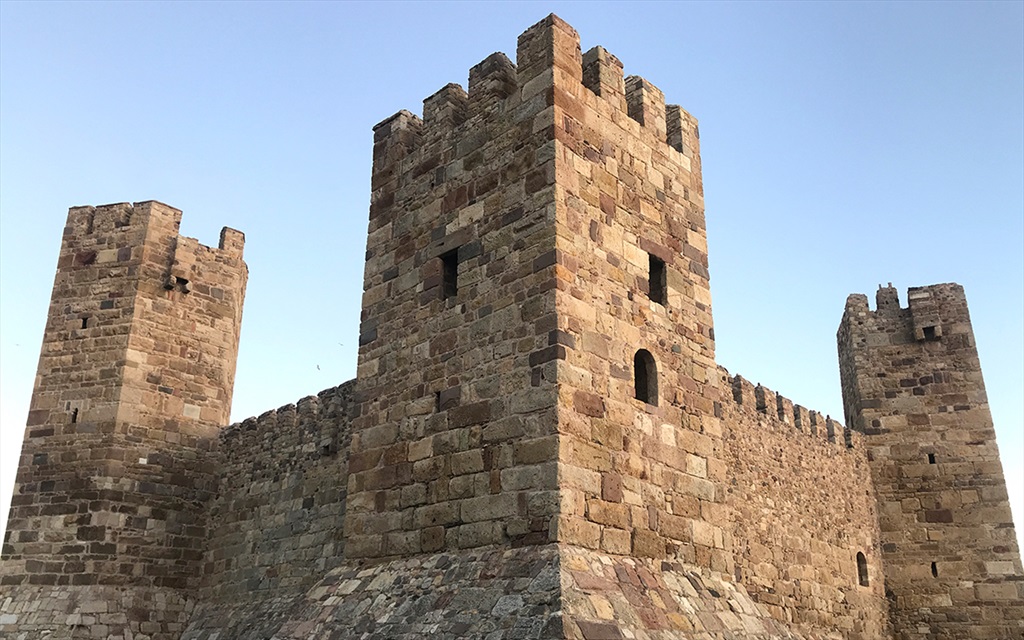
The castles of Foça, Çandarlı, and Çeşme were included in the UNESCO World Heritage Tentative List in 2013 under the title “Genoese Trade Route: Fortified Settlements from the Mediterranean to the Black Sea.” Built or restored by the Genoese between the 11th and 15th centuries to protect trade routes, these castles were mainly located in port areas.
In 2020, Çeşme Castle was added to the list, increasing the number of such castles in İzmir to three.
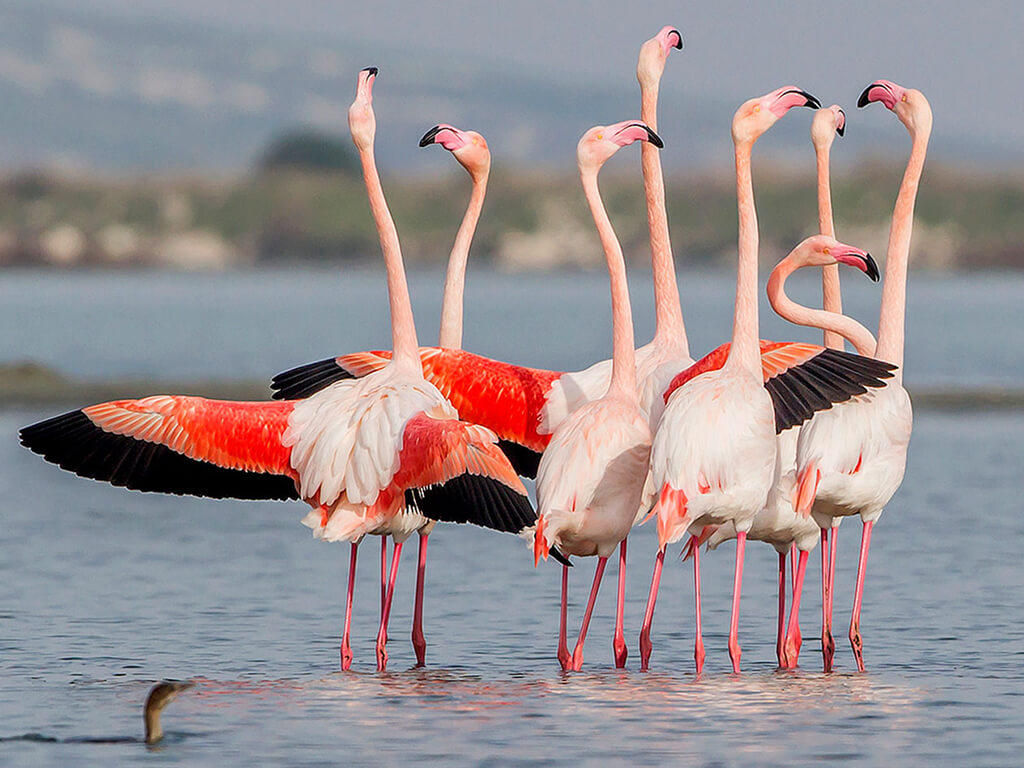
Gediz Delta
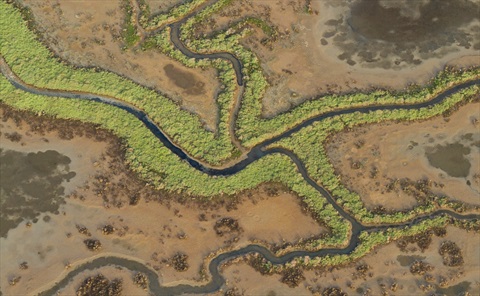
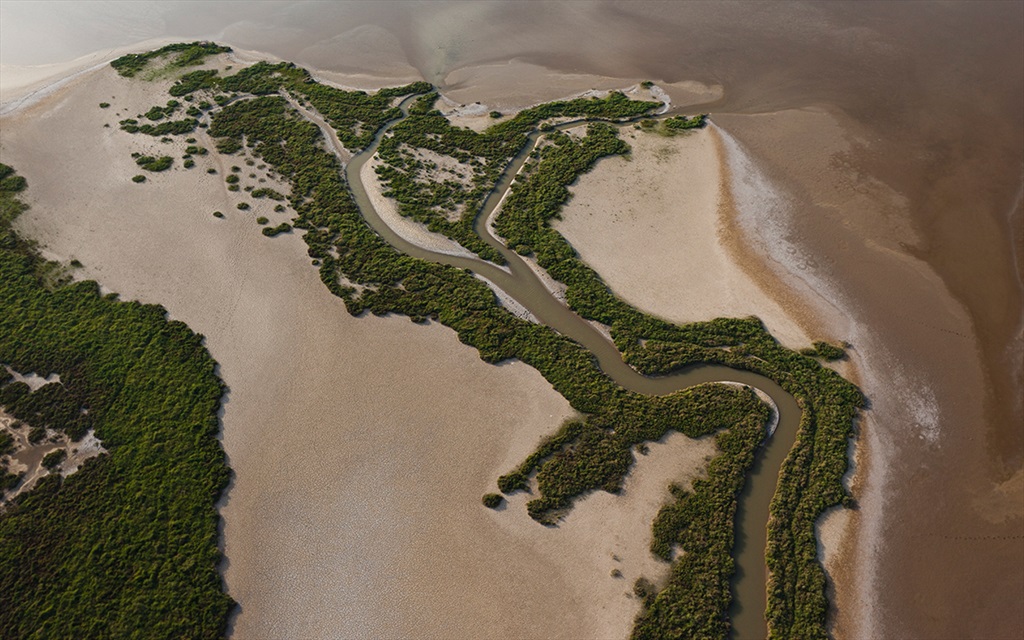
The Gediz Delta is a wetland of international importance located within the metropolitan area of İzmir, known for its rich biodiversity and production activities. Recognized as an Important Nature Area and an Important Bird Area worldwide, efforts are ongoing to include the Gediz Delta on the UNESCO World Natural Heritage List.


Comments
No comment left, would you like to comment?